
Life of Pi – Yann Martel
I read Life of Pi on a small island in the mid-Adriatic. For a photo I set the book on a boat bow, but it plopped in the water. The plot pulls you to the twist.
Keep reading (opens in a new tab)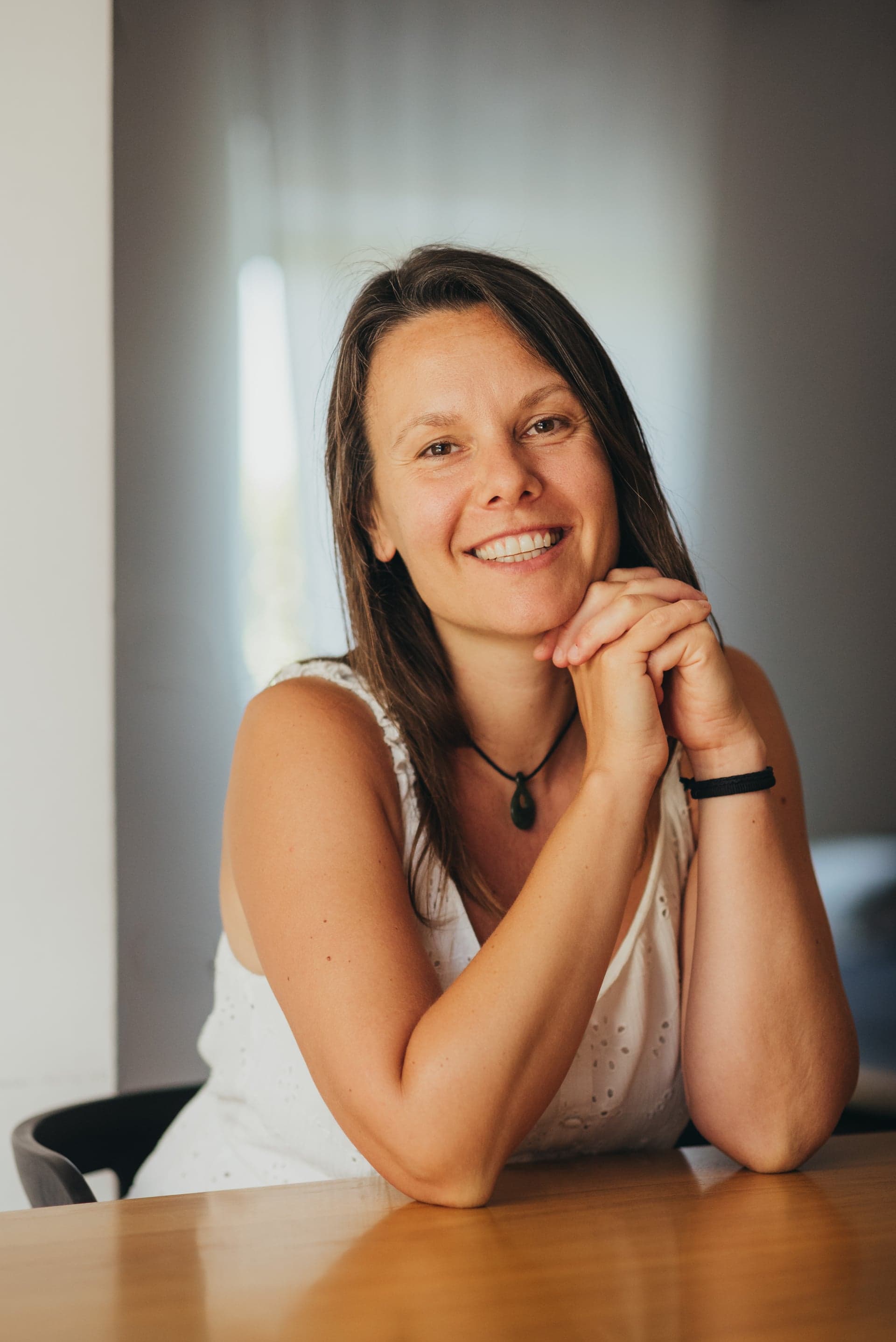
Author • Founder • Story listener
This is a place for anyone who believes that real change begins with honesty and vulnerability. Let’s explore ourselves, books, relationships, and the world together.
I believe in quiet transformation.
I believe in change that begins quietly — when I stop, listen to my body, and pay attention to what I’m feeling. A racing heart, a tight throat, or anxiety in my chest invites me to explore my inner world and how I relate to the world around me.
How can I be gentle with myself and still act decisively? How can I accept myself as I am and keep growing? How can I stay open, to myself and to others, even when the stories are hard?
This website is where my interests and my journeys meet: the inner ones, the outer ones, and the ones I take through books. What ties them together is a longing for real connection and a warm relationship with myself, with other people, and with the world.
This path of inner transformation led me to write the novel Kako pokopati mamo, ki je še živa (How to Bury a Mother Who Is Still Alive) — a story about how to break painful family patterns before your children unknowingly inherit them.
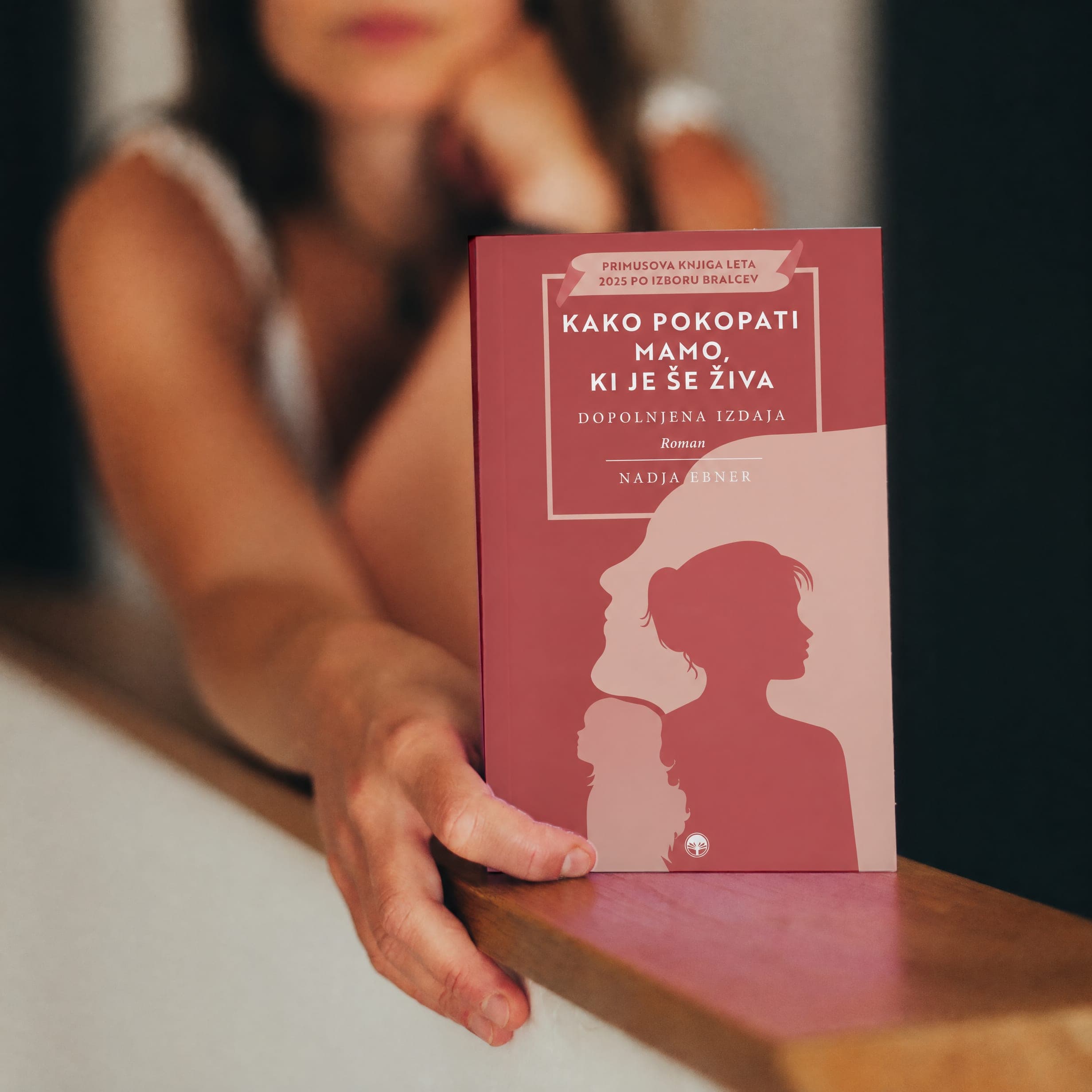
New expanded edition
A psychological novel about how to break painful family patterns before your children unknowingly inherit them. The honest, vulnerable story of a woman who uses therapy to open up old wounds and searches for connection with her daughter — and with herself.
50 new pages: companion essays, reviews, and responses from readers.
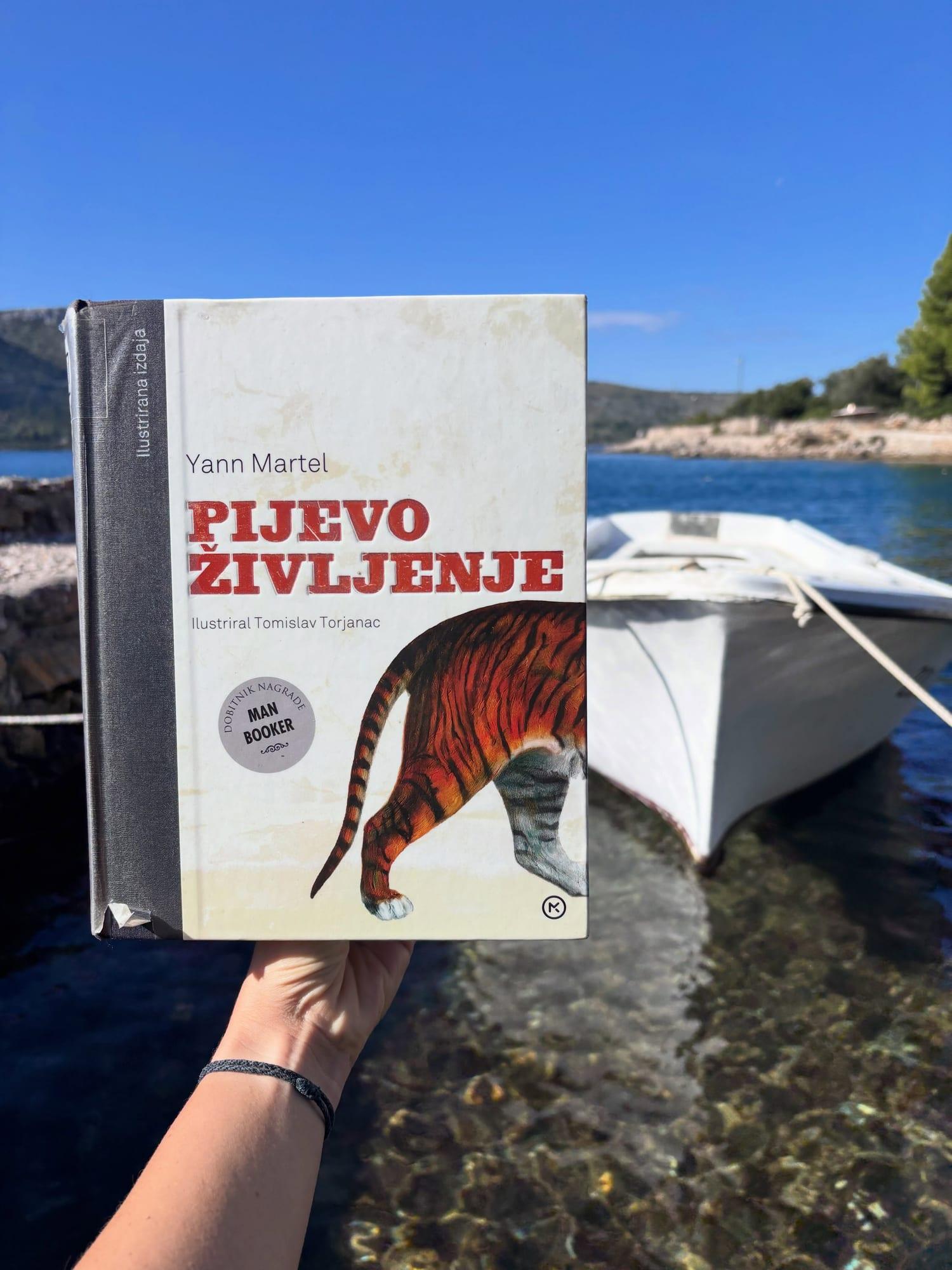
I read Life of Pi on a small island in the mid-Adriatic. For a photo I set the book on a boat bow, but it plopped in the water. The plot pulls you to the twist.
Keep reading (opens in a new tab)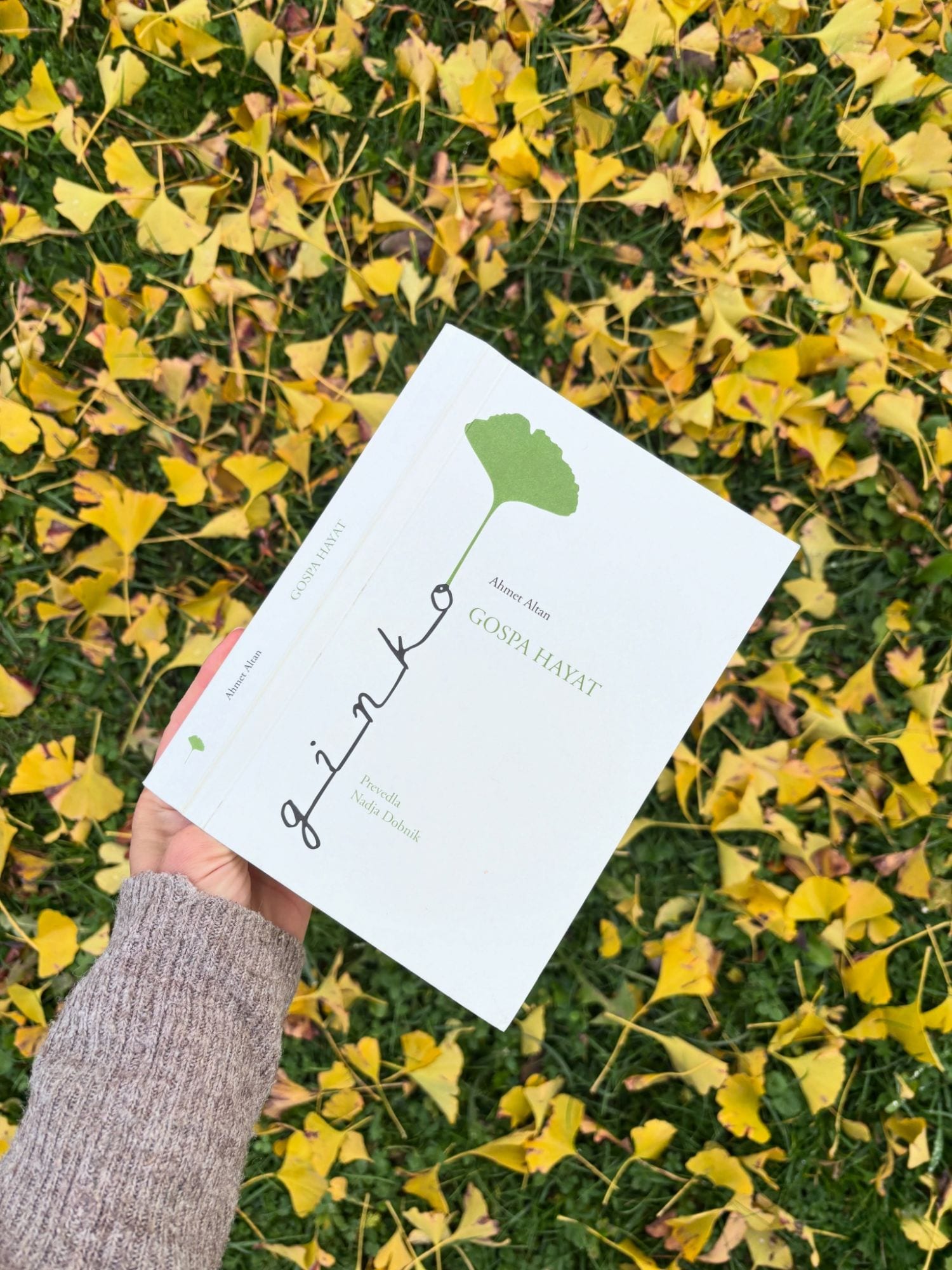
A love story of a young man under authoritarian rule, in which I felt sincerity, vulnerability and the will to live. A wonderful form of literature.
(opens in a new tab)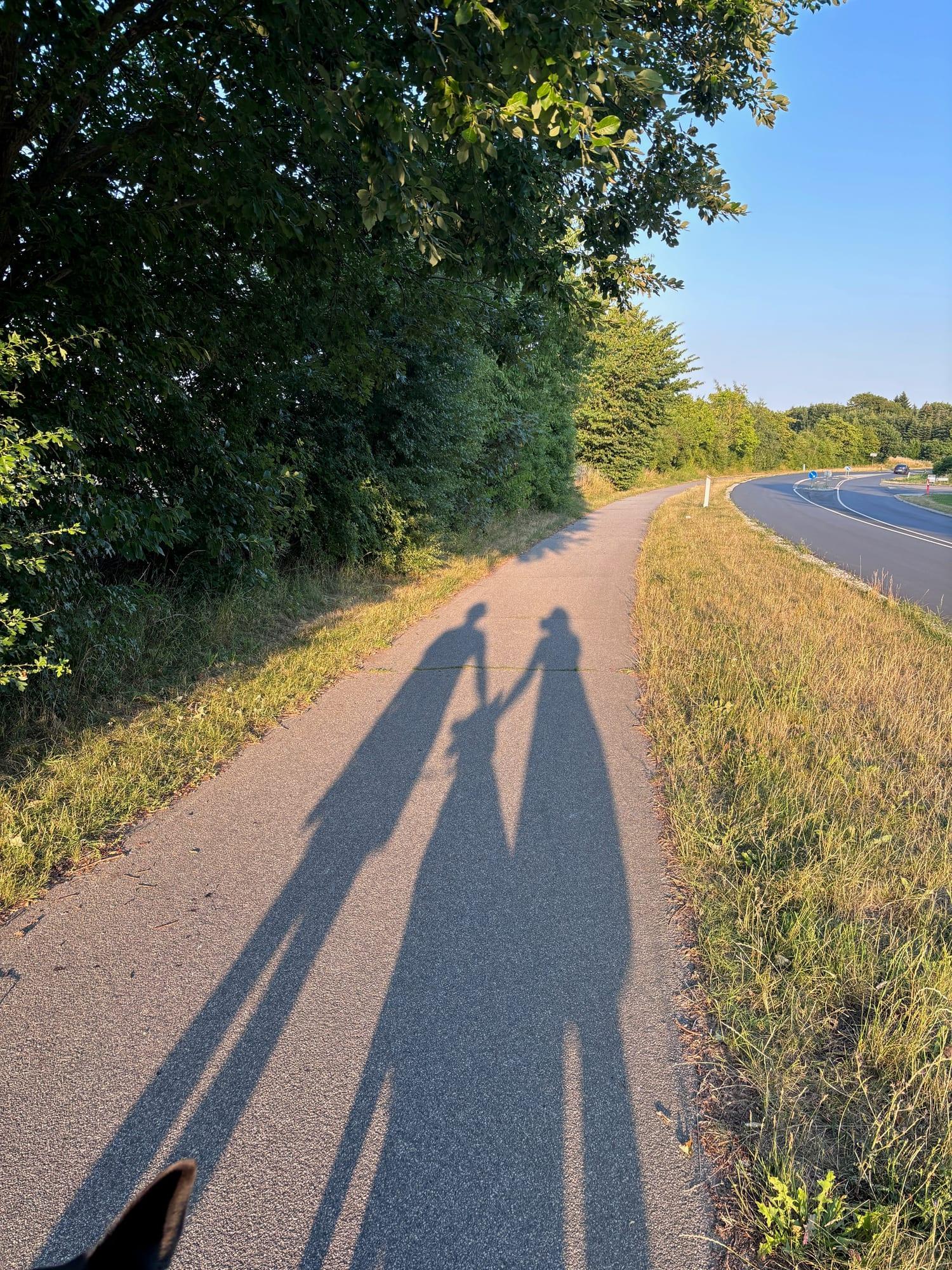
Leo and I work at home, the kids go to the beach without me. After football come Candy King sweets, and in the evening on the beach they let me off the leash.
(opens in a new tab)I was a guest on the radio show Med štirimi stenami on Radio Slovenija, where I spoke about my new book Kako pokopati mamo, ki je še živa (opens in a new tab). In our conversation I touched on things that, as a society, we often leave unsaid: how family patterns affect us and those who come after us, why it’s so hard to admit painful truths about motherhood, and how to find the strength to change before our children unknowingly inherit those patterns.
I was a guest on the podcast Jabolka, hruške in knjige on RTV Slovenija, where Živa Anderluh and I talked about the novel Kako pokopati mamo, ki je še živa (opens in a new tab). We asked ourselves how much it’s worth putting up with in a relationship with a difficult parent, how far unconditional help should go, and why it’s so hard to stand up to our parents. We also touched on alcoholism, which leaves many families struggling.
I lead book clubs in three libraries in the Posavje region — in Krško, Brežice, and Sevnica. Once a month we gather around the books that connect us. Together we look for the common thread in the stories, trade different points of view, and build a community of book lovers. The meetings are in Slovenian.
Valvasorjeva knjižnica Krško (opens in a new tab)
Cesta krških žrtev 26
Knjižnica Brežice (opens in a new tab)
Trg Jožeta Toporišiča 1
Knjižnica Sevnica (opens in a new tab)
Prešernova ulica 1
After a difficult labor, I’m born at the maternity hospital in Slovenj Gradec.
Elementary school in Slovenj Gradec — I develop a fear of math and a love of writing and reading. High school in Ravne — four years of walks in the castle park.
Philosophy and cultural sociology at the Faculty of Arts. Kant during the week, pouring beer at a bar on weekends — balance!
Taras dance school + a company car = a “tour” of Slovenian kindergartens and elementary schools. My daughter is born (2012), then my son (2013). I graduate and start Vrtavka, a dance school for children, as a sole proprietor.
We sell off our clutter and move to Gozo (Malta) with just our backpacks.
I submit a project proposal to the Maltese Ministry of Education and teach children English through dance. Then back to Ljubljana, with the idea that we’ll get rich in a year and move to New Zealand. I get pregnant for the third time and miscarry in the second month.
We have an idea: travel slowly from one warm country to the next, on our way to New Zealand. The catch: we don’t speak Spanish, and we earn less than we spend. We fly back to Gozo, I enroll the kids in public school there, and the two of us work and save for the move to NZ. I start the first book club on the island of Gozo (it’s still going ❤️).
A fourth pregnancy and another miscarriage.
The move to New Zealand “for good”: Leo works, the kids are in school, and I’m pregnant for the fifth time. I finish my first novel, but only my friends read it.
I give birth to my son at home; the two older kids cut the cord. We lay the placenta in the earth and plant a tree over it. I get to know New Zealand’s excellent maternity care system, in which a woman chooses where, how, and with whom she gives birth, and the state supports her choice.
Back to Slovenia. We rent an apartment in Ljubljana, Maui the dog joins us, and I enroll in a doctoral program in Gender Studies. I study the history of midwifery and healthcare, attitudes toward women in the maternity care system, obstetric violence, and so on. I lead a book club at the Bežigrad library and at ŠKUC.
A mortgage and a house in Brežice. I start gardening. Psychotherapy becomes part of my weekly schedule; the Humanization of Birth summer school knocks down another taboo or two.
I leave my doctoral program; I’m left with notes in my pocket and a desire to write braver stories, in my own voice.
I start Inštitut Tvoja izbira; I chase down the stories of retired midwives in Slovenia and Malta.
I finish the novel Kako pokopati mamo, ki je še živa; in England I visit a midwife-led birth center and find inspiration for the next chapter.
Ready for new challenges.
Published on October 21: the new expanded edition of the novel Kako pokopati mamo, ki je še živa, with 50 new pages of companion essays, reviews, and responses from readers.
Everything I share grows out of a need for real connection, the kind that isn’t afraid of depth. I don’t believe in universal solutions or absolute answers. I believe in stories. Each one springs from different soil, grows at its own pace, and looks for its own way of being in this world.
If something in you stirs as you read, that’s connection. For me, it’s the most I can give.